

Luxury pyjama brands matter because sleepwear sits closer to the body than almost anything else you wear. When the fabric is right, it changes comfort, temperature control, skin feel and even how confident you feel in private space, travel or bridal dressing. The main problem luxury labels solve is the gap between surface glamour and true quality. Many sets look rich online, yet only a few deliver exceptional cloth, refined construction and lasting beauty once worn and washed.
What makes a pyjama brand truly luxury?
True luxury rests on fabric, finish and design integrity; Hanro and Olivia von Halle show that touch and cut matter more than logos.
A luxury pyjama brand is usually defined by four things: premium fibre, disciplined construction, a clear design point of view, and a customer experience that feels considered. In practice, that means silk with substance, cotton with long fibres, seams that lie flat, buttons and piping that stay neat, and shapes that still look graceful after repeated wear.
Material is the first test. For silk, 19 to 22 momme is widely seen as a strong premium range for pyjamas because it balances drape with durability. For cotton, long-staple or extra-long-staple fibres such as Supima or Egyptian cotton tend to pill less and feel smoother. A common mistake is to judge luxury by shine alone. Satin is a weave, not a fibre, so satin can be silk or polyester.
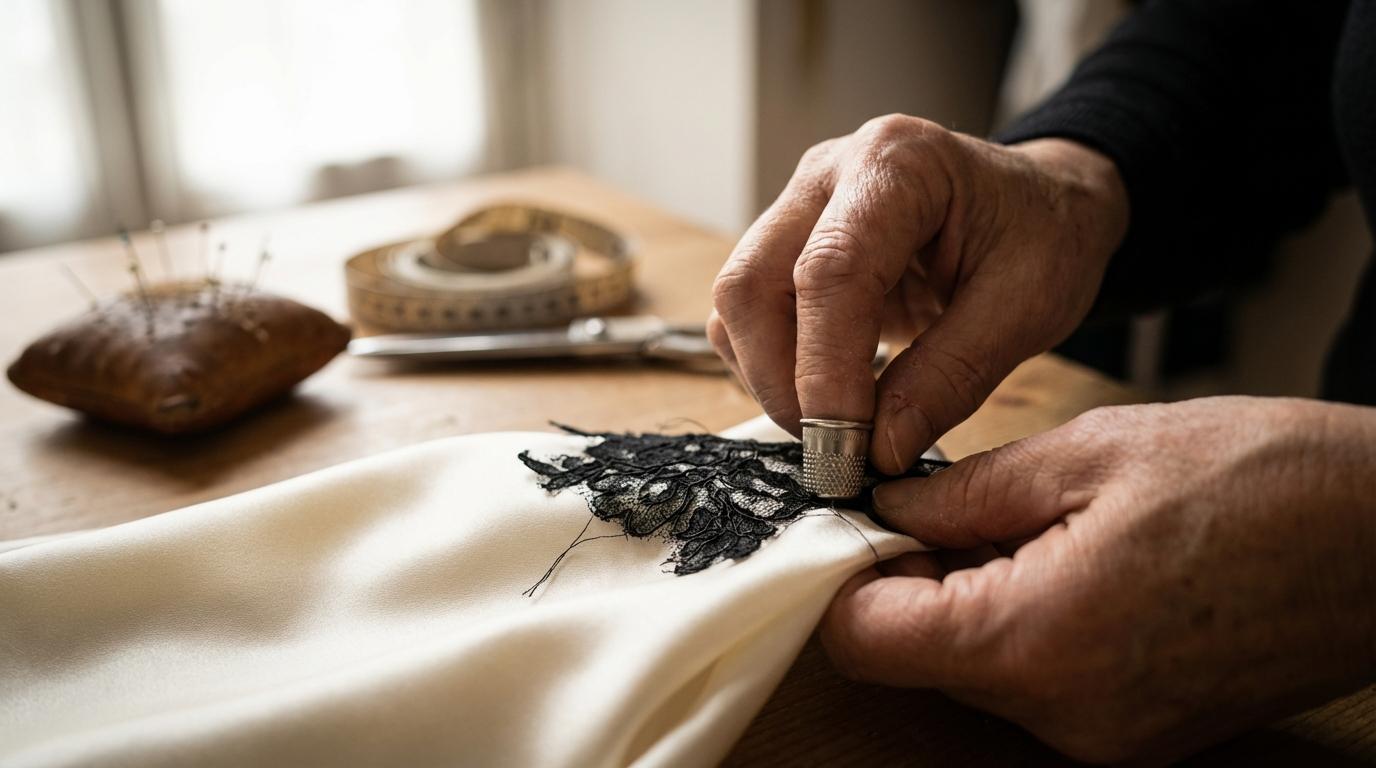
Construction is the second test. French seams, clean piping, pattern matching across pockets and plackets, and secure button attachment are the small signals that separate couture-minded sleepwear from mass-produced sets.
Why are luxury pyjamas so expensive?
Higher prices usually reflect cloth and labour; Fleur of England and Rosamosario operate in a tier where silk, lace and hand-finished construction cost more.
Price in this category is not random. Silk is expensive to source, cut and finish, especially when a brand uses limited runs, hand-applied lace, embroidery or made-to-order production. A silk set at €400 to €700 often includes better fibre, more careful pattern cutting and less volume-driven manufacturing than a basic satin set at a fraction of the price.
There is also waste in quality production. Printed silk must be matched across seams. Bias-cut panels use more fabric. Mother-of-pearl buttons and fine lace trims cost more than plastic findings. If a brand offers custom sizing, in-home fittings or private virtual appointments, service becomes part of the price structure too.
The trade-off is simple. You may pay more for artistry than for pure durability. A heavily embellished silk set can be breathtaking, but a minimal Swiss cotton-modal style may survive harder use.
What are the luxury pyjama brands worth considering?
Several houses define the category well; Rosamosario, Hanro and Olivia von Halle serve different ideas of luxury, from couture sensuality to printed silk classics.
The best choice depends on what you value most: Italian craftsmanship, heritage minimalism, hand-painted prints, washable silk, or lace-led romance. Price alone is not a ranking tool, so it helps to compare by material, cut, finish and service.
- Rosamosario: Italian couture sleepwear with a sensual, editorial spirit. Strong for custom-made pyjamas, bridal pieces, silk sets and private styling, with an aesthetic closer to cinema than catalogue.
- Olivia von Halle: One of the clearest references for printed silk pyjamas, often around €400 to €700 for a set, with a polished, fashion-led silhouette.
- Hanro: Swiss heritage since 1884 and excellent for women who want minimal, refined nightwear in cotton, modal-silk and soft neutrals, often from about €150 to €220 for cotton sets.
- Fleur of England: Romantic silk and lace nightwear with strong artisanal detail, usually around €300 to €500 for silk pyjamas.
- Desmond & Dempsey: Known for painterly prints and crisp cotton or silk styles, with a relaxed tailored feel.
- Lunya: Best known for washable silk and a more modern, utility-minded take on luxury sleepwear, often around $250 for a silk set.
- Morgan Lane: Playful printed pyjamas in silk and cotton, often chosen for statement pattern and gift appeal.
How do you assess fabric quality before you buy?
Start with the fibre label; Lunya and Hanro make fabric choice visible, and composition usually tells you more than campaign images.
Step 1: Read the composition before you look at the styling. If it says 100% silk, long-staple cotton, modal-silk or bamboo viscose, you have a clearer sense of feel and care. If it says polyester satin, expect shine without the same breathability or softness.
Step 2: Check weight and weave. Heavy silk satin feels opulent and drapes beautifully, while lighter silk charmeuse feels cooler and more fluid. Cotton poplin gives crispness. Jersey gives softness but not the same sculpted line. Pro tip: if the brand never states the fabric in precise terms, caution is sensible.
Step 3: Inspect finishing in product photos and copy. Look for French seams, self-covered or mother-of-pearl buttons, neat piping and pattern alignment. If a pocket print does not match the front panel, that often signals lower manufacturing discipline.
Is silk or cotton better for luxury pyjamas?
Neither is universally better; mulberry silk and long-staple cotton answer different needs, and Olivia von Halle and Desmond & Dempsey illustrate the split.
Silk feels cooler against the skin at first touch, drapes more elegantly and carries colour with depth. It is ideal if you want pyjamas that feel almost like eveningwear. Cotton is easier to maintain, often more durable for frequent washing, and better if you prefer a crisp, tailored line rather than liquid drape.
A common misconception is that silk is always the coolest option for hot sleepers. Sometimes it is. Sometimes a fine cotton poplin or lightweight bamboo fabric performs better, especially in humid climates or if you prefer less cling.
The trade-offs are practical:
- Silk: luxurious hand-feel, stronger drape, higher maintenance
- Cotton: easier care, more structure, less visual drama
- Modal or bamboo blends: softness and ease, but more variation in quality
- Silk blends: useful middle ground, though often less pure in feel
If you want occasion sleepwear, silk usually wins. If you want everyday rotation, cotton or modal can be the smarter buy.
How should luxury pyjamas fit on the body?
The best fit skims rather than clings; Rosamosario and Natori treat sleepwear as clothing, so cut must move with the body.
Step 1: Check the shoulders, collar and armhole first. If the shoulder seam drops too far, the set can look borrowed. If the armhole is too high, it will pull in bed and while seated.
Step 2: Look at ease through the bust, waist and hip. A luxury pyjama should glide over the body, not grip it. When seated, the placket should stay smooth and the trouser rise should not strain. This matters even more in silk, which shows drag lines quickly.
Step 3: Test sleeve and trouser length against how you actually live. If you travel often, a slightly shorter trouser hem avoids hotel-floor wear. If you want an editorial silhouette, a longer hem and softer shoulder feel more languid. Pro tip: do a seated fit check before deciding. Standing still can hide most pyjama fit problems.
Are bespoke pyjamas better than ready-to-wear?
Bespoke is better for precision, not always for speed; Rosamosario and Hanro represent two valid routes to luxury.
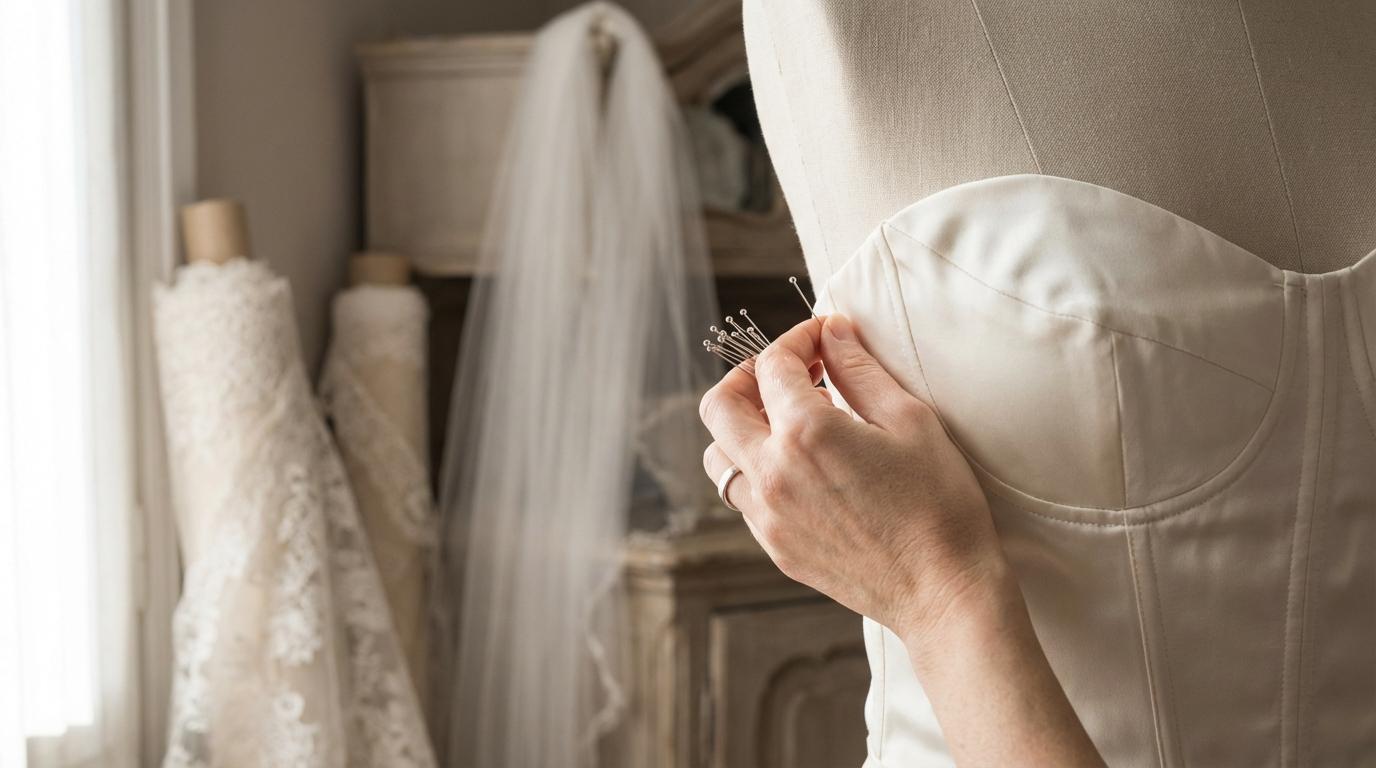
Bespoke works best when fit is hard to find, the occasion matters, or the garment has emotional value. Bridal trousseau, monogrammed gifts, maternity pieces and silk sets for unusual proportions all benefit from custom work. If your bust and hip sizes sit in different standard sizes, bespoke often gives a cleaner result.
Ready-to-wear has its own strengths. It is quicker, easier to exchange, and often better if you already know which silhouette suits you. Heritage labels with stable sizing can be very reliable year after year.
The main trade-off is time versus precision. If you need a set next week, ready-to-wear is the practical answer. If you want something that feels almost like couture on the skin, bespoke earns its place. Just do not confuse custom with quality. A made-to-order garment in mediocre fabric is still mediocre.
How do you care for luxury pyjamas so they last?
Gentle care preserves lustre and shape; silk from Rosamosario or Lunya lasts far longer when washing, drying and storage are deliberate.
Step 1: Wash less often than you would wash daywear, unless climate or skin products demand otherwise. Spot clean when possible. Use cool water, a pH-neutral detergent and a mesh bag for machine-safe items. Many brands recommend 30°C or lower.
Step 2: Avoid aggressive drying. Tumble heat dulls silk, shrinks cotton and weakens elastic. Air dry flat or on a padded hanger, away from direct sun. If pressing is needed, use low heat and press on the reverse.
Step 3: Store with space. Silk needs room to breathe, and lace catches easily on rough zips or hooks. A common mistake is to assume washable silk means carefree silk. It only means the fabric tolerates a gentler machine cycle better than traditional silk, not that it likes rough treatment.
What fabric innovations matter in luxury sleepwear now?
A few innovations genuinely matter; Lunya popularised washable silk, while bamboo viscose and PCM textiles target heat and ease of care.
Not every innovation improves sleep. Some are mostly marketing. The useful ones usually address one of three real problems: overheating, difficult care, or short garment lifespan. Washable silk matters because it lowers the care barrier for a fibre many people avoid. High-quality modal and modal-silk blends matter because they combine fluid drape with softer maintenance demands.
A more cautious area is performance cooling. Phase-change materials, often called PCM textiles, can help regulate temperature by absorbing and releasing heat, but they remain niche in luxury pyjamas and can feel more technical than sensual.
- Washable silk: easier maintenance, usually with a lighter, more practical finish than formal silk satin
- Bamboo viscose: soft and breathable, though processing quality varies widely
- Modal-silk blends: fluid feel with simpler care than pure silk
- PCM cooling fabrics: promising for night sweats, still less common in couture-led sleepwear
Which red flags suggest a brand is overpriced rather than luxurious?
Overpricing shows up in shortcuts; glossy polyester, vague sourcing and weak finishing are more telling than celebrity dressing or a high ticket.
Some brands photograph beautifully and disappoint in the hand. If the copy leans on lifestyle imagery but avoids fibre detail, country of manufacture or close-up construction shots, caution is wise. Real luxury usually speaks clearly about material and workmanship because that is where the value sits.
Another common misconception is that “Italian-inspired” means made in Italy. It does not. If provenance matters to you, look for the exact manufacturing statement.
Watch for these warning signs:
- Satin with no fibre disclosure
- Loose seams or uneven piping
- Premium pricing with plastic-heavy trims
- No care guidance beyond vague washing notes
- More brand story than product specification
Can luxury pyjamas work beyond the bedroom?
Yes, if the cut is polished; Natori and Rosamosario show how sleepwear can move into travel, hosting and evening dressing.
Luxury pyjamas now sit between nightwear, loungewear and occasion dressing. A silk shirt with clean piping can pair with tailored trousers for a private dinner or hotel lounge. A robe can work over a slip dress in the right setting. This is why fit, cloth and finish matter so much. If the collar collapses or the fabric is thin, the illusion disappears.
The trade-off is context. A print-led cotton set may read playful at breakfast but not refined at an evening event. A black or ivory silk set with matte lustre travels much further.
Pro tip: if you want a pyjama set to cross into daywear, choose darker tones, stronger shoulders and trousers with a clean outer seam. It should feel like fashion whispered softly, not sleepwear worn by accident.