





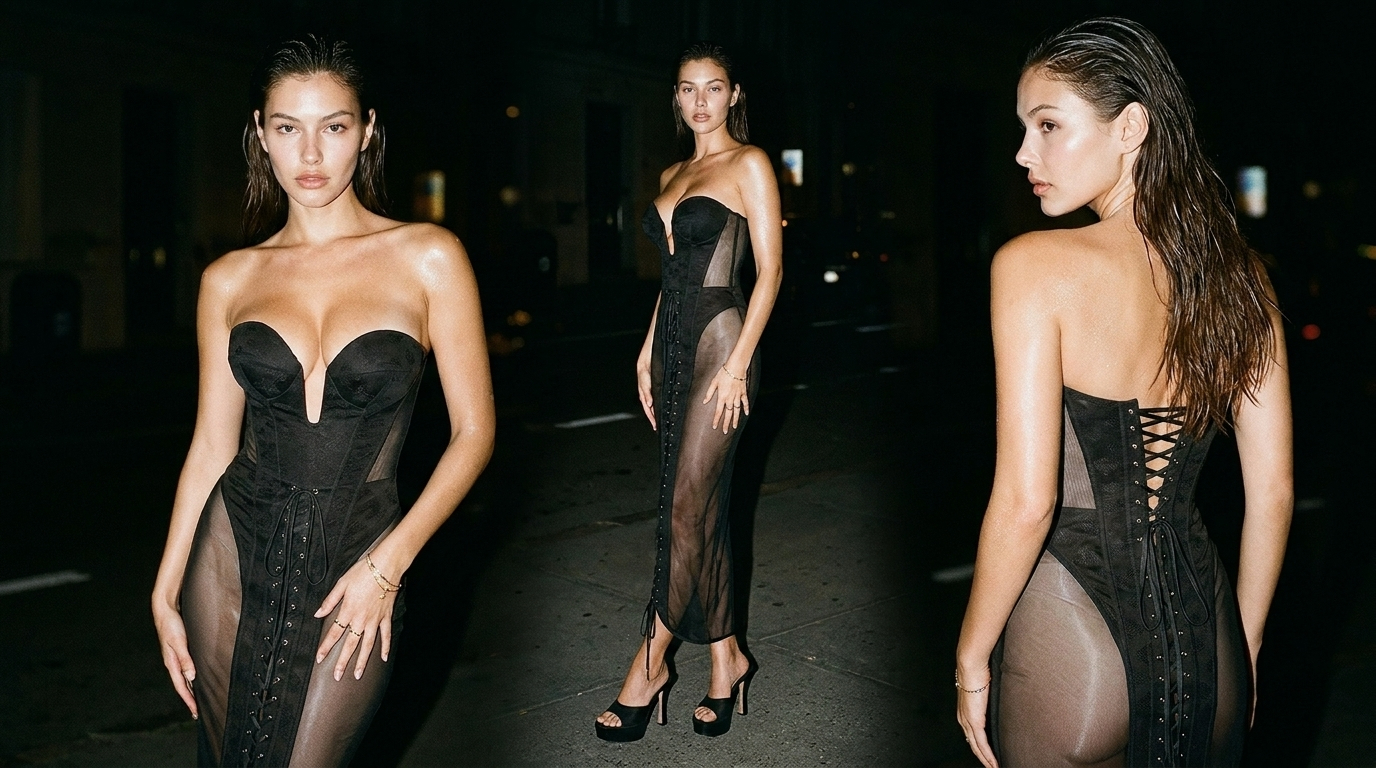





A bridal look should never feel rushed.
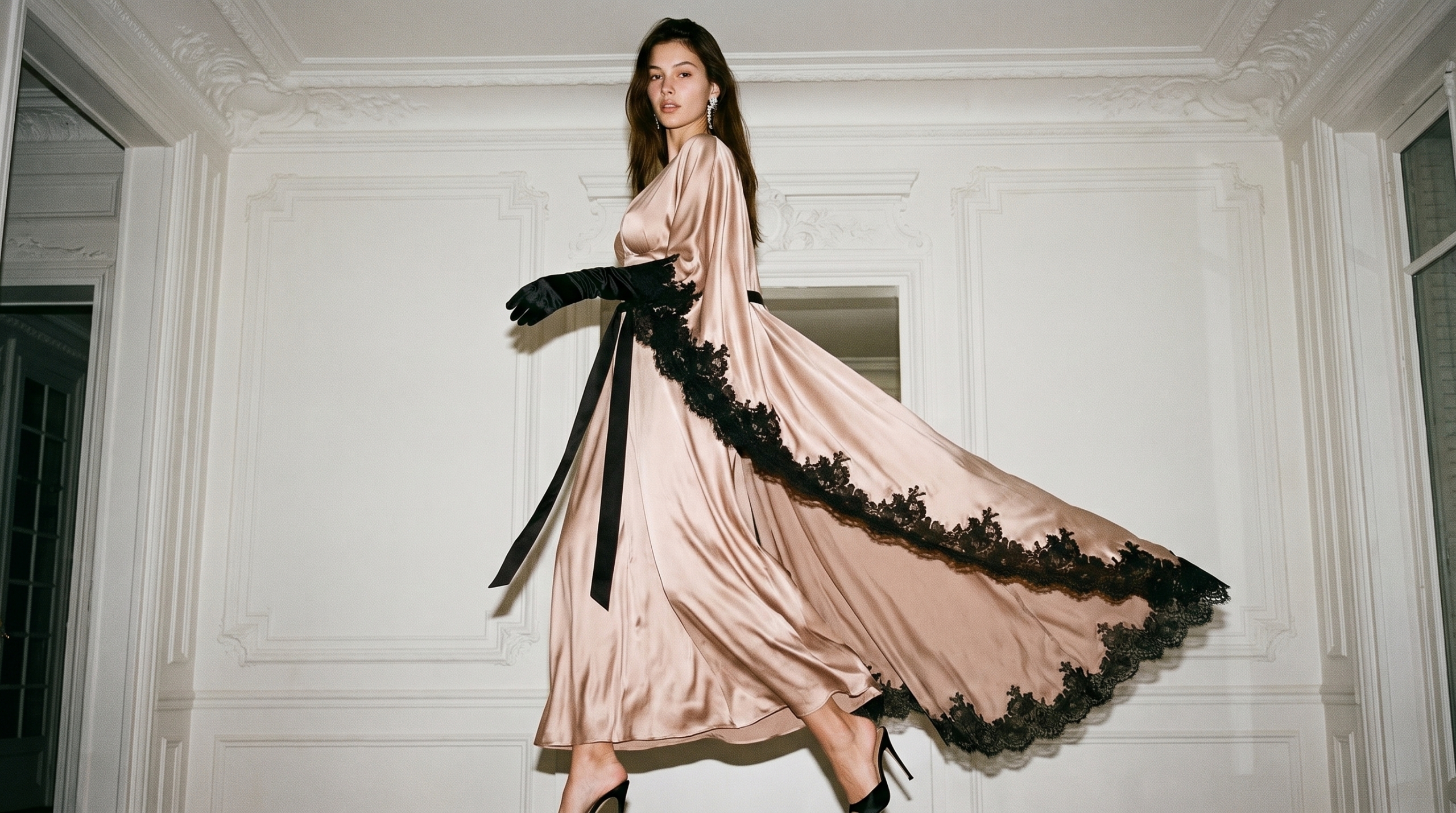
The finest gown, a silk robe for the morning, a corseted bodice, even the line of a hem, all need time on the body, not only on a rail. Bridal fittings are where fabric becomes personal. They shape posture, movement, confidence and that rare feeling that everything is sitting exactly where it should.
Many brides ask the same question: how early is early enough? A sensible answer is this. Book your first bridal appointment around six months before the wedding, or earlier if the piece is custom-made. Plan the first alteration fitting roughly two to three months before the day itself. Then leave room for one or two more fittings, with the last full fitting taking place one to four weeks before the wedding.
Start with the dress, not the deadline
A fitting schedule begins long before the first pin touches silk.
If you are still choosing the gown, you are not yet at the fitting stage. You are at the stage where timing can still feel generous, though it closes quickly. A made-to-order bridal gown often needs months for production, delivery and refinement. If the piece is custom-made, with adjustments to lace, sleeve length, neckline, corsetry or train, the calendar should open even earlier.
For many brides, six months before the wedding is a comfortable point for the first bridal appointment. If the look is more couture in spirit, eight months or more can feel wiser. This is especially true when the gown is not simply being ordered, but shaped around your body and your preferences from the start.
That earlier window also gives space to think clearly. A bridal decision made calmly almost always looks better than one made in haste.
After the gown is chosen, these are the dates worth marking:
- 6 months before: begin dress appointments if you have not already
- 4 to 6 months before: confirm the order and any custom details
- 2 to 3 months before: attend the first alteration fitting
- 4 to 6 weeks before: return for the final main fitting
- 1 to 2 weeks before: keep a small buffer for a last check if needed
The fitting rhythm that usually works
The first fitting is where proportion is assessed. The seamstress or stylist checks the bodice, bust, waist, hip line, strap placement, hem and train. This is the appointment where the larger changes are marked. If the gown includes internal structure, this stage matters greatly. Corsetry, boning and cups must support without feeling rigid.
The second fitting usually comes after those first changes have been completed. At this point, the dress should look much closer to its finished form. The conversation becomes finer. Is the waist sitting at the right place when you breathe? Does the neckline stay elegant when you sit? Does the hem work with the exact shoes?
Then comes the final fitting, usually within one to four weeks of the wedding. This is when the whole picture should be present. Shoes. Undergarments. Veil. Gloves, jacket or overskirt if you are wearing them. The dress is no longer being judged as an object. It is being judged as part of your full silhouette.
The body needs patience, and so does silk.
A small emergency fitting a few days before the wedding can also be sensible. Not every bride needs one, though having room for it is a gift. A last-minute shoe change, a tiny weight shift, a bustle adjustment or a loose embellishment can all be handled with less strain if there is still time left.
A practical timeline at a glance
Every wardrobe around the wedding follows its own tempo. The bride’s gown tends to need the most attention, while bridesmaids’ dresses and mother-of-the-bride or mother-of-the-groom looks usually move on a shorter schedule.
| Time before wedding | Bride’s gown | Bridesmaids | Mother of the bride or groom |
|---|---|---|---|
| 6 to 8 months | Choose or order the gown, begin custom design discussions if needed | Select dresses and take measurements | Choose the look and discuss likely alterations |
| 4 to 6 months | Confirm design details and production status | Order dresses or begin basic changes | Book first fitting if the outfit is already in hand |
| 2 to 3 months | First major fitting, mark core alterations | First fitting if required | First main fitting or follow-up fitting |
| 4 to 6 weeks | Second or final main fitting, check hem, bodice, train and accessories | Final fitting | Final fitting |
| 1 to 2 weeks | Last check or small emergency adjustment if needed | Rarely needed | Rarely needed |
This is a guide, not a rule carved in stone. A simple column gown in structured fabric will move differently from a lace gown with a fitted corset and hand-finished detailing.
Why some gowns ask for more time
Not all bridalwear behaves in the same way.
A clean, minimal dress in Mikado or firm satin can often be adjusted with fewer appointments than a gown covered in lace appliqué or cut on the bias. Add a dramatic sleeve, a detachable overskirt, a cathedral train or built-in corsetry and the fitting calendar may widen immediately. Every decorative decision has a technical shadow behind it.
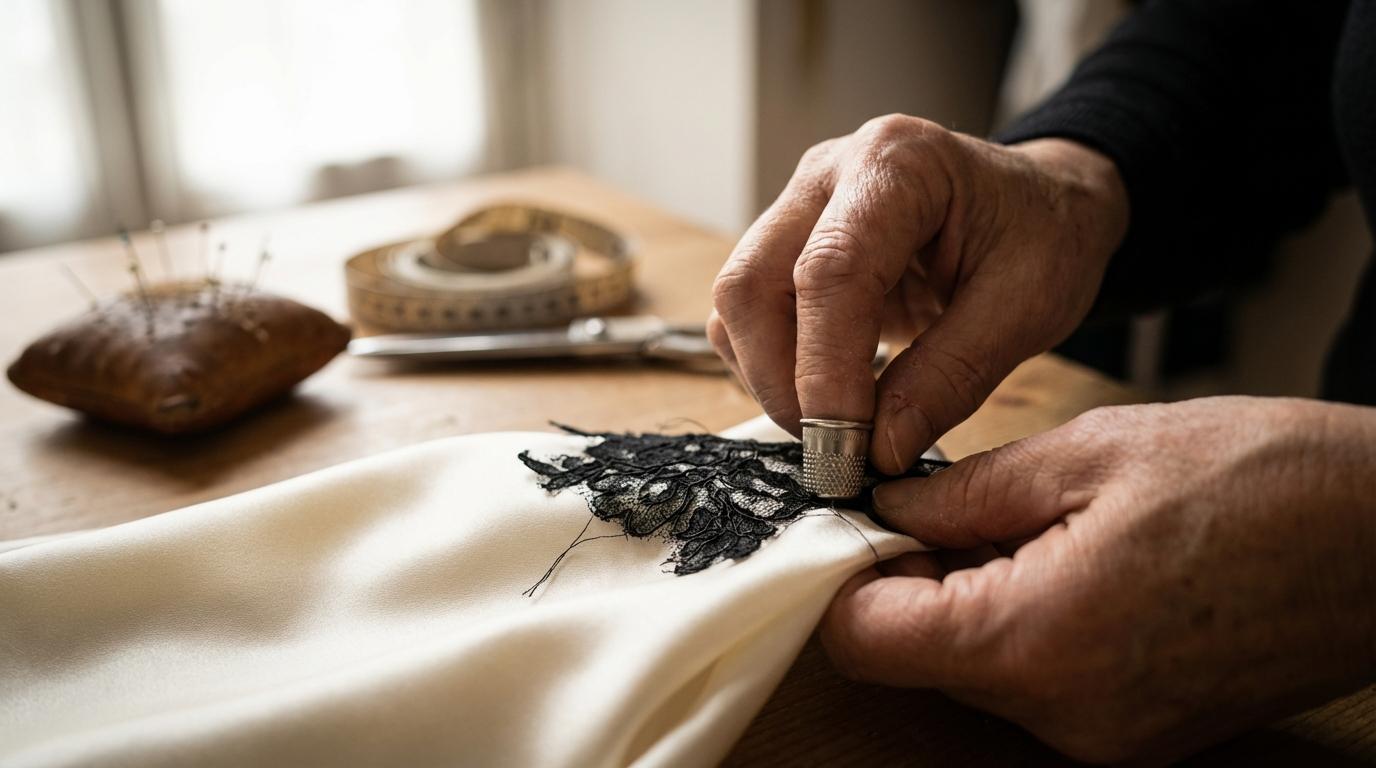
Handwork slows the pace in the best possible way. Beading must be lifted and replaced. Lace motifs may need to be rebalanced after the seams are taken in. A bodice with real structure cannot simply be tugged tighter and sent out the door. It has to be shaped with care, so that the body feels held rather than trapped.
This is why many brides need two or three fittings for the main gown, while a bridesmaid dress may only need one or two. Simpler pieces usually behave more predictably. Couture-minded pieces do not, and that is part of their beauty.
A few things tend to lengthen the schedule:
- Corsetry: more sculptural, more exact, less forgiving
- Lace and embellishment: often slower to alter cleanly
- Custom additions: sleeves, lining changes, extra coverage or a reshaped neckline
- Travel: fewer available dates means less room for delay
- Season: peak wedding months can fill fitting books quickly
What to bring to each fitting
A fitting is not a casual try-on. It is closer to a rehearsal.
If you arrive in the wrong bra, with shoes you do not plan to wear, or without the accessories that change the line of the dress, the fitting can only go so far. Bridalwear sits in relation to everything around it. The heel height changes the hem. The undergarment changes the bodice. A veil or jacket changes the balance of the whole look.
Bring the things that shape the final silhouette, even if they seem minor. They are not minor on the day.
- Bridal bra or shapewear
- Wedding shoes
- Veil, cape, gloves or jacket
- Any jewellery that affects the neckline
- Hair accessories if they change posture or styling
- A trusted person if you want a second eye, but not a crowded audience
During the final fitting, walk, sit, turn and lift your arms. If you plan to dance, test that too. The dress should not only look beautiful in stillness. It should live well.
The calendar around your own body
The most practical fitting advice is also the most personal: try to begin fittings when your body is relatively stable.
Small changes can usually be managed. A little room can be refined later. A slight adjustment at the waist is normal. What causes strain is a major shift in size halfway through the process. If you are planning a dramatic fitness push or a strict diet close to the wedding, it is worth speaking honestly with the atelier or seamstress before fittings begin.
This is not about chasing perfection. It is about avoiding unnecessary rework, pressure and the risk of changing the shape of the gown after key alterations are already underway.
There is also the matter of the season. A midsummer ceremony and a winter fitting do not always feel the same on the body. Temperature, swelling, travel and routine can all influence how a dress sits. That is one reason the final fitting should happen fairly close to the wedding, not months before it.
Brides who are travelling need a tighter plan
If you live far from the atelier, or if the wedding is taking place abroad, your schedule needs more intention.
Private fittings, virtual check-ins and in-home appointments can help, though they do not remove the need for precision. When visits are limited, each one has to do more work. That means confirming design details earlier, bringing every accessory on time, and leaving a clear buffer before the ceremony in case one final correction is needed.
Peak wedding season can make this even more pressing. Preferred appointment times disappear quickly, especially for experienced seamstresses working on complex gowns. Book early. Earlier than feels necessary, if you can.
A bride travelling in for fittings should also avoid building her schedule too tightly around flights, work events or family obligations. Arriving flustered helps no one. A fitting asks for attention and calm. You should be able to stand, move, speak up and notice what the dress is telling you.
Signs you may be booking too late
If your first fitting is only a few weeks before the wedding, the calendar is already under strain. The same is true if your shoes have not been chosen by the final fitting, if custom changes are still being debated after the first appointment, or if every fitting date has to be squeezed between other commitments.
Another warning sign is treating bridal alterations as a small errand. They are not. A bridal gown is often the most technically demanding garment many women will ever wear. It carries weight, structure, emotion and visibility. It deserves room in the diary.
If time is short, simplicity becomes valuable. A cleaner silhouette, fewer late design changes and a disciplined accessory plan can protect the result. When time is generous, the process feels different. Slower. More exact. More luxurious in the truest sense of the word.
The best bridal fittings leave no sense of scramble behind them. Only the feeling that the dress has come fully alive on the woman it was meant for.